The Silent Language of Luxury: A Guide to Premium Hotel Bedding
Introduction: Where Comfort Meets Reputation
In the world of hospitality, few elements speak as directly to a guest’s sense of comfort and care as the textiles they interact with. More than just functional items, hotel linens—the sheets, duvets, towels, and robes—are the unsung heroes of the guest experience. They are the tangible interface between a hotel’s promise of luxury and the guest’s physical perception of it. This article delves into the world of premium hotel bedding, exploring why it matters, what defines quality, and how hotels can make informed choices.
The Unspoken Promise: Why Premium Linens Are a Strategic Investment
A guest’s judgment of a hotel’s quality is often formed within the first few minutes in their room. The tactile experience of the bedding is a critical component of this first impression. Premium linens deliver on multiple fronts:
- Guest Satisfaction & Loyalty: Luxuriously soft, crisp sheets and fluffy towels directly contribute to a superior sleep and bath experience, leading to higher guest satisfaction scores, positive reviews, and repeat business.
- Brand Perception & Value: High-quality linens are a silent ambassador for your brand’s standards. They justify premium room rates and position your property in the competitive upscale or luxury segment.
- Operational Durability & Cost-Per-Use: While the initial investment is higher, premium commercial-grade linens are engineered for longevity. They withstand hundreds of industrial launderings without significant wear, pilling, or fading, offering a lower total cost of ownership over time.
Decoding Quality: The Anatomy of Premium Hotel Bedding
Understanding the specifications is key to selecting the right products. Here are the core pillars of quality:
1. Fabric & Weave: The Foundation of Feel
- Cotton: The gold standard. Long-staple cotton varieties like Egyptian, Supima®, or Pima are prized for their extra-long, silky fibers, which produce stronger, smoother, and more lustrous yarns with minimal pilling.
- Thread Count (TC): Often misunderstood, thread count refers to the number of threads per square inch. For commercial use, a TC of 200 to 400 is ideal. Beyond 400, the benefits diminish, and durability can suffer. Focus on fiber quality over extremely high thread counts.
- Weave Style: This defines the fabric’s character.
- Percale (Plain Weave): A classic, crisp, and cool-to-the-touch fabric with a matte finish. Known for its durability and breathability—like a finely woven dress shirt.
- Sateen (Satin Weave): Characterized by a luxuriously soft, smooth hand-feel with a subtle, pearlescent sheen. The weave structure allows for more threads on the surface, creating exceptional softness and drape.
2. Performance & Durability: Built for the Long Haul
- Fabric Weight (GSM): Grams per square meter measures the fabric’s density and substance. A higher GSM (e.g., 120-140 for sheets) generally indicates a heavier, more substantial, and durable feel.
- Commercial Laundering: Hotel linens must endure high-temperature washes, strong detergents, and industrial dryers. Fabrics must be pre-shrunk and finished to maintain color, integrity, and softness over 150+ washes.
- Stitching & Construction: Look for features like extra-wide hems, double-stitched seams, and reinforced corners to prevent tearing and ensure a neat, tailored appearance.
3. The Supporting Cast: Towels, Bathrobes & More
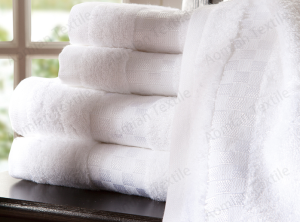
- Bath Towels: Quality is defined by weight (GSM), absorbency, and pile density. A plush, heavy-weight cotton terry (600-900 GSM) offers a spa-like feel and rapid drying.
- Bathrobes: Choices range from absorbent terry cloth to lightweight, quick-drying waffle weave, or ultra-plush velour. The choice depends on the desired guest experience and climate.
Partnering with the Right Supplier: Beyond the Product
For hoteliers, especially those managing boutique or mid-scale properties, the choice of supplier is as strategic as the choice of fabric. A true factory-direct supplier offers distinct advantages:
- Supply Chain Resilience & Cost Control: Direct manufacturers control the process from yarn to finished product, ensuring stable pricing, priority on raw materials, and protection against market volatility. This translates to predictable costs and reliable delivery.
- Superior Customization & Agile Response: Facing specific needs for custom sizes, monograms, unique fabric blends (e.g., a certain yarn count or GSM), or quick sample turnaround? A factory can directly engage its technical team to adapt production, enabling a seamless transition from prototype to order.
- Integrated Quality Assurance: A manufacturer invested in its own production has robust craftsmanship and rigorous quality control embedded at every stage—from spinning and weaving to dyeing and finishing—ensuring consistency that third-party traders cannot guarantee.
Conclusion: An Investment in Guest Dreams
Hotel linens are far more than an operational expense; they are a critical investment in the guest experience and the hotel’s reputation. By prioritizing premium materials, understanding key specifications, and forging partnerships with capable, integrated suppliers, hoteliers can elevate their offering. In the silent dialogue of hospitality, where comfort is the primary language, nothing speaks more eloquently than the perfect sheet, the flawless towel, and the impeccable robe. They are, in essence, the very fabric of a memorable stay.
Choose wisely. Your guests will feel the difference.
 Nantong Aomian Textile Technology Co., Ltd.



HelloPlease log in